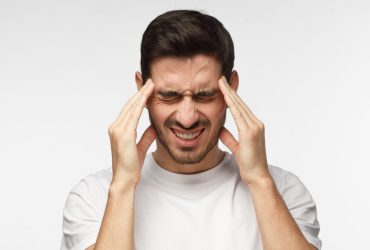
business woman with tmj and stress

TMJ and Stress: What You Need to Know

Written by Ann C. McCulloch, MBA | Medically Reviewed by Bradley Allen Eli, DMD, MS

TMJ and stress share a bidirectional relationship: psychological stress drives jaw muscle tension and clenching, while jaw pain itself triggers the body’s stress response, amplifying pain signals in the brain. Left unaddressed, this cycle is a recognized risk factor for chronic temporomandibular disorder (TMD). Effective relief requires treating the physical jaw symptoms and the underlying stress independently and at the same time.

Key Takeaways

  • TMJ pain and stress reinforce each other in a self-perpetuating cycle involving cortisol release and central pain sensitization.
  • Stress often precedes TMD symptoms, not just accompanies them, suggesting it can initiate the disorder.
  • Bruxism (clenching and grinding) is the physical link connecting stress to jaw muscle pain.
  • Evidence-based stress management techniques like CBT, biofeedback, and diaphragmatic breathing can reduce TMD symptom severity.
  • A multimodal approach — jaw rest, heat therapy, physical therapy, and intraoral splinting — addresses the physical symptoms alongside stress reduction.

TMJ and stress are closely related. There is a bidirectional relationship between temporomandibular joint (TMJ) pain and the state of emotional and physical tension we call “stress”. Jaw pain from stress can lead to changes in the brain responsible for pain signaling. When pain pathways are triggered, stress hormones are released, leading to more emotional and physical tension. If untreated, this cycle of jaw pain and stress is a risk factor for developing chronic TMJ pain disorders.

Here’s what you need to know about TMJ and stress.

What Is Stress?

Psychological stress occurs when a person perceives that the demands of their current situation exceed their resources to deal with it. It can overlap many other psychological states, such as fear, anxiety, depression, catastrophizing, and despair. Stress can be triggered by life events, personality factors, and physical trauma.

Stress is not just a state of mind, it’s a state of body. The autonomic nervous system regulates your heart rate, breathing, vision, muscle tone, and other bodily functions in response to real or perceived threats. This is the so-called “fight or flight” response.

When situations in our lives trigger this response in a sustained way (i.e. chronic stress), our bodies can become negatively impacted. Once the biological mechanisms of stress become activated, stress can become a self-perpetuating cycle. Proven biomarkers of stress include cortisol levels, acute phase proteins, and inflammatory mediators.

Chronic stress and the sustained autonomic response can lead to serious illness. Systemic diseases associated with chronic stress include:

  • Alzheimer’s disease
  • Anxiety
  • Asthma
  • Chronic headache
  • Depression
  • Diabetes
  • Gastrointestinal Conditions
  • Heart disease
  • Immune system compromise
  • Obesity
  • Sleep disorders

TMJ and Stress

The association between stress and TMJ disorders was first proposed in the late 1960s. Since then, this association has been repeatedly supported using standardized measures of psychological stress. A 2024 systematic review published in Diagnostics confirmed that salivary cortisol, a key biomarker of stress, is consistently elevated in patients with TMJ pain, further demonstrating the link between stress and TMJ disorders.

Stress is not only coincident with TMJ disorders, but it also often precedes these disorders, suggesting that in some cases, stress initiates the pathological process that leads to chronic TMJ pain.

There is also a connection between stress and bruxism, which is repetitive activation of the jaw muscles in the form of jaw tension, jaw clenching, or teeth grinding. The medical literature indicates that there is a strong association between stress and bruxism. Bruxism itself is an independent risk factor for the development of chronic jaw pain and headaches. For a closer look at this connection, see Can Bruxism Cause Headaches?

Both stress and bruxism facilitate the development of chronic TMJ pain. “When stress causes chronic jaw tension and clenching, the jaw muscles start to fatigue and register pain. Neural pain pathways in the brain become hyperexcitable, amplifying these pain signals. Through parallel neural mechanisms, stress further compounds this phenomenon of pain amplification. This creates a ‘perfect storm’ for the development of TMJ pain disorders”, explains Bradley Eli, an Orofacial Pain Specialist.

Because stress and TMJ symptoms are so intertwined, the best strategy for TMJ stress relief is to independently address the psychological aspects of stress and the physical symptoms of jaw pain. Stress can also compound jaw symptoms that originate from physical trauma — see Can Whiplash Cause TMJ Pain? for more on that overlap.

Stress Management

The key to stress management is to develop a sense of self-efficacy. If you start to feel empowered to deal with whatever situation you are in, you are well on your way towards stress relief. To de-stress your life, you can use your own resources and methods, or you can use formal stress management techniques. Here are some evidence-based methods of stress management to choose from:

  • Biofeedback
  • Transcendental meditation
  • Progressive muscle relaxation
  • Diaphragmatic breathing
  • Cognitive behavioral therapy
  • Mindfulness-based stress reduction
  • Guided imagery

TMJ Pain Relief

The second prong of a TMJ stress relief strategy is to treat the physical symptom of jaw pain. When the bi-directional cycle of stress and jaw pain are established, it is often not enough to only focus on stress management. Instead, jaw pain should be addressed independently and concurrently with a stress management program.

A multi-modal approach to jaw pain relief is optimal. Such an approach typically includes:

  • Jaw Rest: Start a soft food diet and avoid chewy foods or chewing gum. Learn more about jaw rest for TMJ pain.
  • Heat Therapy: Heat provides comfort, increases circulation, and improves jaw flexibility. For guidance on when to use heat versus cold, see Ice or Heat for TMJ Pain?
  • Physical Therapy: Gentle jaw exercises will increase your jaw range of motion, leading to decreased pain.
  • Intraoral Splinting: An anterior bite guard provides immediate relief to jaw muscles that are sore and fatigued from tension and clenching.

We developed the Speed2Treat® Home Healing Kit to provide you everything you need for rapid jaw pain relief. This includes the QuickSplint® anterior bite guard, which you can fashion at home and start using on the same day as delivery. Also included are a neoprene jaw wrap with reusable hot/cold packs, a symptom tracker, and access to pain management videos. Sometimes you need a complete system to help stop clenching your jaw from stress, and that is what the Home Healing Kit is for.

TMJ and Stress: Frequently Overlooked Facts

  • Stress doesn’t just accompany TMJ pain — it can precede and initiate the disorder, not merely worsen an existing condition.
  • You don’t have to consciously feel “stressed” to have stress-related jaw tension; biomarkers like cortisol can be elevated even when a person doesn’t perceive themselves as anxious.
  • Daytime clenching is often more damaging than nighttime grinding, since it can go unnoticed for hours at a time.
  • Stress management alone is rarely sufficient — research shows the physical and psychological components of TMD need to be treated concurrently, not sequentially.
  • Chronic stress affects far more than the jaw; it’s linked to systemic conditions including cardiovascular disease, GI disorders, and immune dysfunction, which is part of why untreated TMJ-stress cycles are taken seriously clinically.

Frequently Asked Questions

Can stress really cause TMJ pain?

Yes. Stress activates the autonomic nervous system and increases jaw muscle tension and clenching (bruxism), which directly contributes to TMJ pain. Research also shows stress can precede the onset of TMD, not just worsen it once present.

What does TMJ stress pain feel like?

Stress-related TMJ pain typically presents as a dull, aching tension in the jaw muscles, temples, or in front of the ear, often worse in the morning or after periods of concentration or emotional strain. It may be accompanied by headache or a feeling of jaw fatigue.

How long does it take for stress-related TMJ pain to go away?

Timelines vary, but many people notice improvement within a few weeks of starting a multimodal approach that combines stress management with physical treatments like jaw rest, heat therapy, and splinting. Chronic cases tied to long-standing stress patterns may take longer.

Does anxiety make TMJ pain worse?

Yes. Anxiety is closely linked to stress and frequently overlaps with TMJ symptoms through the same mechanism — increased muscle tension and clenching. Addressing anxiety as part of a treatment plan often improves jaw pain outcomes.

Can a mouth guard help with stress-related jaw clenching?

An anterior bite guard can reduce the intensity of muscle contraction during clenching episodes, providing relief to fatigued jaw muscles. It addresses the physical symptom but works best alongside stress management techniques that address the underlying trigger.

What’s the best way to manage both stress and jaw pain at the same time?

The most effective approach treats both components independently and concurrently: an evidence-based stress management technique (such as CBT, biofeedback, or diaphragmatic breathing) paired with physical jaw pain treatment (jaw rest, heat therapy, physical therapy, and intraoral splinting).

References

  1. AlSahman L, AlBagieh H, AlSahman R. Is There a Relationship between Salivary Cortisol and Temporomandibular Disorder: A Systematic Review. Diagnostics (Basel). 2024 Jul 5;14(13):1435. PMID: 39001325. https://pubmed.ncbi.nlm.nih.gov/39001325/
  2. Ghasemzadeh F, Mortazavi N, Mallahi M, Gharib MH, Behnampour N, Badeleh MT, Asgari N. Association between psychological stress and mandibular condyle structure: an analytical cross-sectional study. BMC Musculoskelet Disord. 2024 Jul 19;25(1):563. PMID: 39030530. https://pubmed.ncbi.nlm.nih.gov/39030530/
  3. Temporomandibular disorder as an indicator of altered physiological stress reactivity: a highly standardized experimental protocol. BMC Oral Health. 2024. PMID: 38475974. https://pubmed.ncbi.nlm.nih.gov/38475974/
  4. Hwangbo NK, Woo KC, Kim ST. Evaluation of Clinical Symptoms Improvement by Cognitive Behavioral Therapy Using a Smartphone Application in Patients with Temporomandibular Disorder. Healthcare (Basel). 2023 May 16;11(10):1443.
  5. de Sousa BM, Lopez-Valverde N, Cardoso C, Lopez-Valverde A, Rodrigues MJ, Blanco Rueda JA. Evaluation of the salivary biomarker cortisol in patients with temporomandibular disorders. J Oral Facial Pain Headache. 2026.
  6. AlSahman L, AlBagieh H, AlSahman R. Stress and salivary cortisol levels among temporomandibular disorders: a case-control study. J Oral Facial Pain Headache. 2025;DOI:10.22514/jofph.2025.039.
  7. Mayo Clinic. Bruxism (teeth grinding) — Symptoms and Causes. https://www.mayoclinic.org/diseases-conditions/bruxism/symptoms-causes/syc-20356095
  8. American Family Physician. Temporomandibular Disorders: Rapid Evidence Review. 2023;107(1):52-58.

More Articles

How can bruxism cause headaches? Bruxism causes morning, tension, and migraine headaches via jaw muscle fatigue and trigeminal sensitization. Learn the types, triggers, and relief options.

Are You Provider or Consumer?